The Inverted Food Pyramid: New Strategic Opportunities for American Agriculture
The Historic Pivot
For decades, agricultural production was tethered to a pyramid that prioritized refined carbohydrates and marginalized healthy fats. The new 2025–2030 guidelines represent a structural reset. By prioritizing nutrient density and "real food" over ultra-processed components, the federal government is effectively rerouting billions in procurement and incentive dollars back to the farm gate.
This transition is not merely a nutritional suggestion; it is a fundamental shift in the economic landscape for American producers, moving the focus from volume of calories to quality of nutrients.
- ●De-demonization of Red Meats & Eggs
- ●Whole Milk & Full-Fat Dairy Integration
- ●Reduction in Refined Grain Subsidies
- ●Direct-to-Farmer Procurement focus
Programmatic Analysis & Revenue Streams
01Federal Procurement & Feeding Programs
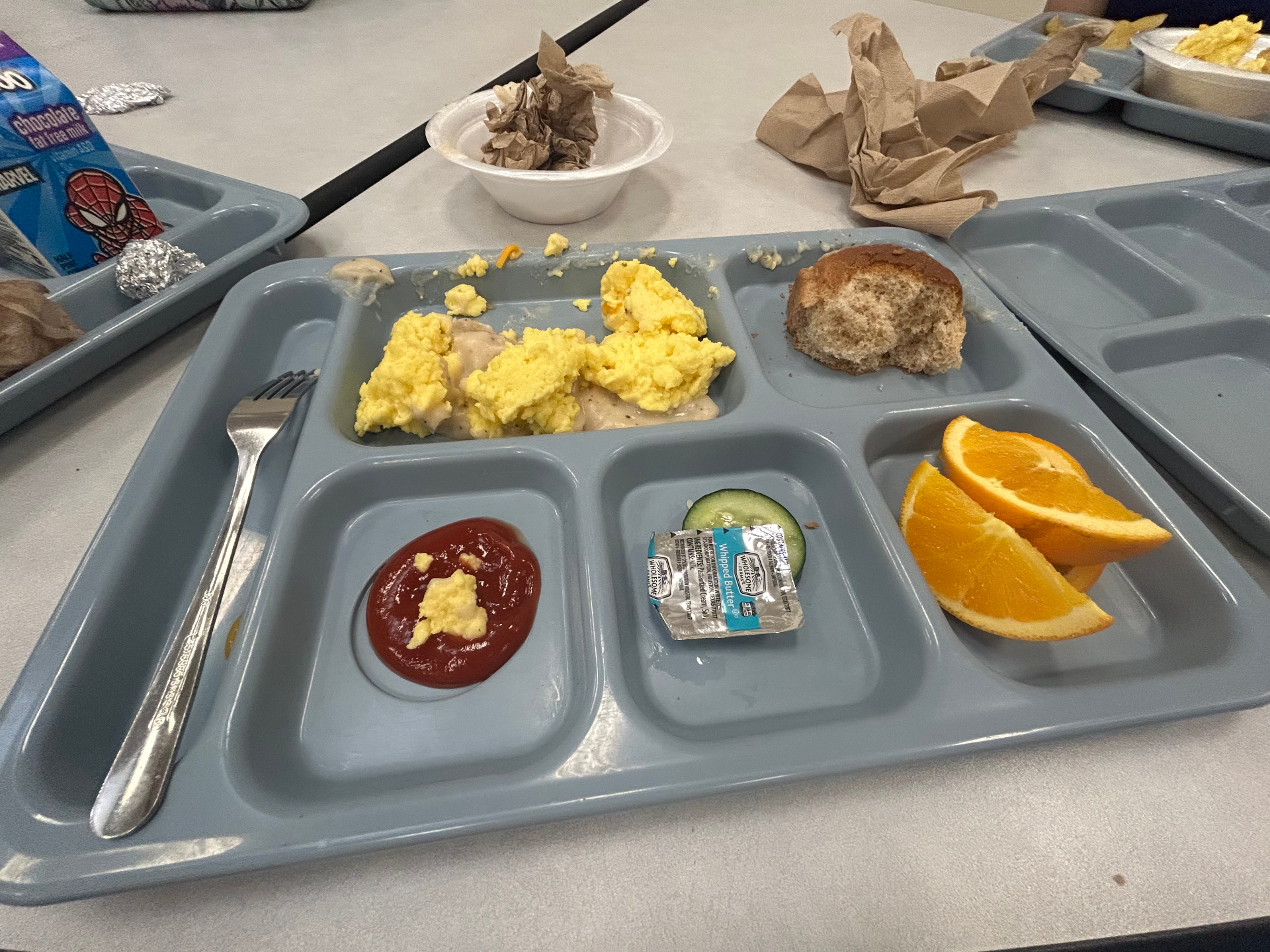
The most significant new revenue source for farmers is the overhaul of federal food procurement. The guidelines now mandate that all federal feeding programs—including the National School Lunch Program, Military and Veteran Meals, and various Child and Adult Nutrition Programs—prioritize "affordable, whole, healthy, nutrient-dense foods."
Programmatic Shift: Government procurement is moving away from processed food components toward raw, whole ingredients.
Incentive: Farmers producing whole commodities will have expanded access to high-volume, long-term federal contracts previously dominated by UPF manufacturers.
02Revenue Streams for High-Quality Protein
The policy officially ends the "demonization" of protein, creating a massive market incentive for livestock and poultry producers.
03Full-Fat Dairy and Whole Milk Incentives
The "War on Healthy Fats" has been officially ended, specifically benefiting dairy farmers. Guidelines now explicitly include whole milk and full-fat dairy products in federal programs.
Economic Benefit: Dairy farmers can capture more value from the entire milk profile and reduce overhead costs associated with fat-separation processing.
04Specialty Crops & Natural Fats
Market demand is pivoting toward whole food sources of fats, creating a "Real Food" revenue stream for specialty growers of olives, avocados, nuts, and seeds.
Additionally, animal-derived fats like butter, tallow, and lard are recognized as nutrient-dense natural options, providing a secondary revenue stream for livestock producers.
05Grains: From Refinement to Fiber
The policy takes a firm stand against "highly processed refined carbohydrates." Farmers are incentivized to move away from producing commodity grains for refinement and toward fiber-rich whole grains.
06SNAP Reform & Local Sourcing
Major shifts in SNAP ($100B+ program) suggest a move toward restricting funds for sugary drinks and incentivizing "real food." This directs budget away from UPF conglomerates and toward farmers of fresh, frozen, and dried whole foods.
Why This Matters for Landoption
Massive Demand Generation
As federal programs shift, the verification of 'real food' origins becomes a valuable commodity. Landoption is positioned to facilitate these credits.
The Rise of Quality
The focus on nutrient density implicitly favors regenerative outcomes. Landoption farmers can capture these emerging premiums through better data.
Institutional Access
We help bridge the gap between small-to-midscale producers and massive federal procurement contracts through collaborative logistics.
Multidimensional Revenue
The new policy allows farmers to stack federal incentives with private market demand for whole foods, creating unprecedented stability.
Focus on Nutrient Density & Regenerative Outcomes
"The policy's focus on nutrient density and gold-standard science implicitly favors farming practices that produce the highest quality animal proteins and minerals. Farmers who prioritize soil health and traditional livestock management are best positioned to meet the new federal standards for 'real food' that can reverse chronic disease trends."